In policing, we often focus on mental, emotional, physical, and nutritional wellness – but financial wellbeing is too often overlooked. Financial stress for first responders is a significant concern. For example, a survey of more than 1,100 first‐responders in Oklahoma found that 60.9 % reported financial stress as a top concern and over 54% requested financial wellness classes.(*Police Chief Magazine)
For NOPD officers, the stakes are the same – and in many ways magnified. The job exposes an officer to high stress, irregular hours, overtime demands, and retirement planning complexity. If financial stress builds, it can affect decision‐making, focus on the job, discipline issues, and even their off-duty life. Agencies may often see productivity and safety risks when personnel are over‐leveraged financially.
NOPJF & Captain Gwen Nolan – Building a Local Solution
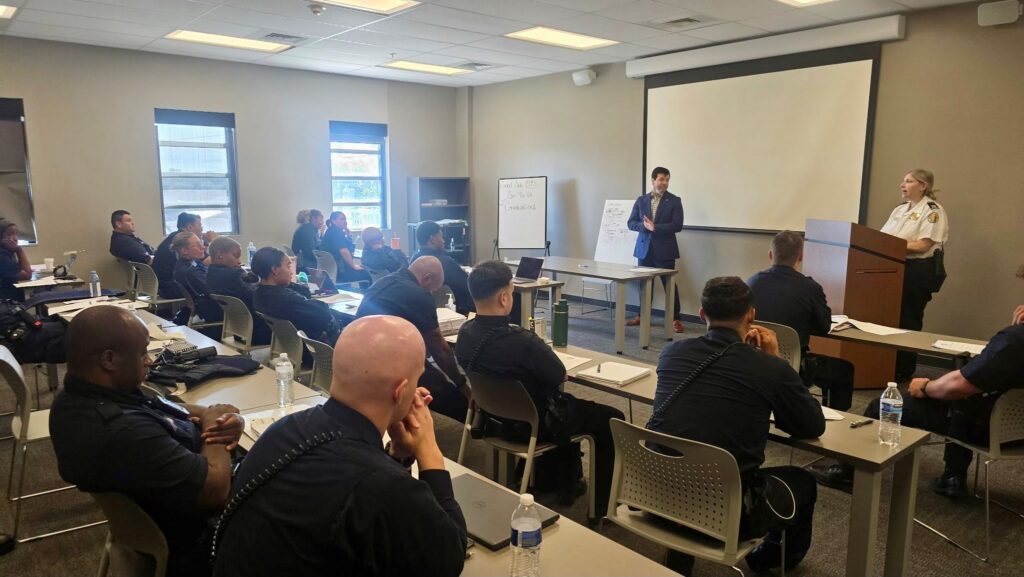
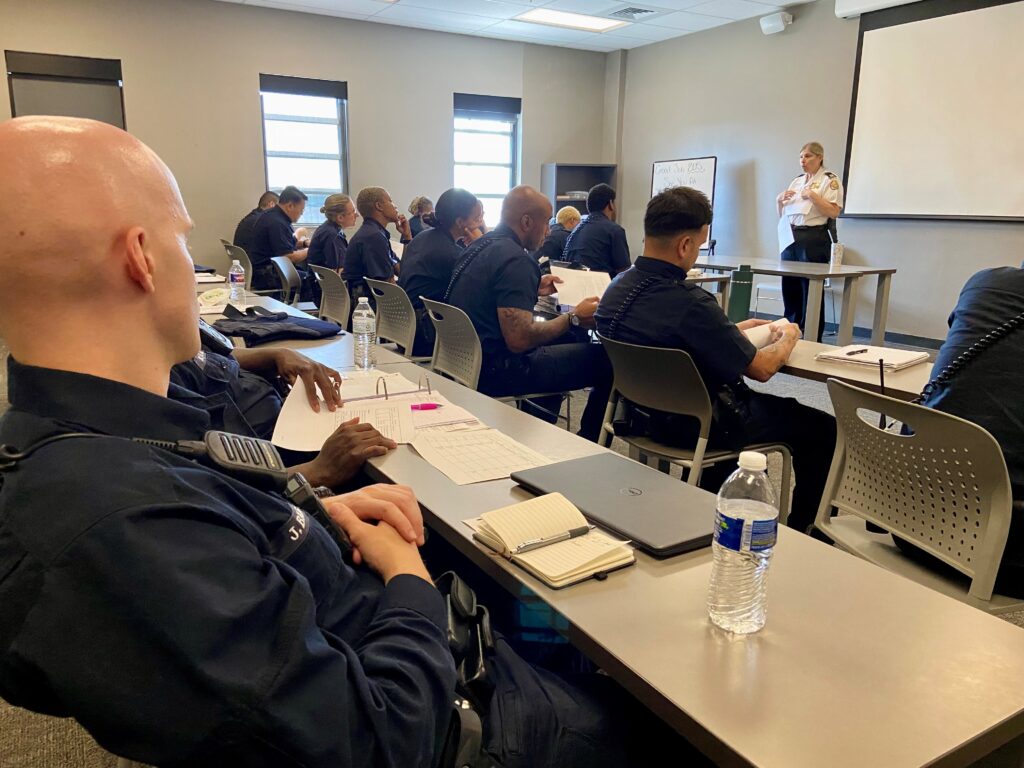
Recognizing this challenge, the New Orleans Police Junior Foundation (NOPJF) has for the past five (5) years facilitated a dedicated Career Planning and Financial Wellness class for every NOPD recruit class at the NOPD Academy, under the leadership and support of Captain Gwen Nolan. This consistent commitment means that 500 new officers entered the field with foundational financial‐wellness instruction, tailored to the unique demands of NOPD service.
The key benefits of this local program:
- Integration into the Academy curriculum alongside operational training.
- Real‐world policing context: overtime, shift differentials, pension system, second‐job realities in NOLA.
- Early exposure, as opposed to waiting until financial problems surface.
- Reinforcement of wellness culture at the Department: financial health is part of officer wellness.
What the Training Covers (and Why It’s Important for NOPD)
Based on best practices and veteran recommendations, the training emphasizes:
- Budgeting & cash-flow awareness: With unpredictable overtime and shift schedules, you must be able to plan your personal finances in the short term and long term.
- Managing debt and major life decisions: The article warns about young officers taking on large commitments such as homes, vehicles, loans, etc., without fully accounting for policing realities.
- Retirement/pension planning: In Louisiana especially, knowing how your pension, retirement benefits, and possible second career might interact is critical.
- Building resilience, not just “being well”: Instruction on the difference between being financially well (comfortable now) and financially resilient (able to withstand shocks).
- Stress mitigation links: Financial trouble doesn’t stay in the wallet, it can spill into sleep, focus, decision-making, and family life. By giving officers tools early, we reduce these risks.
- Ongoing versus one‐time training: The article emphasizes that financial literacy isn’t “one and done” – it needs ongoing support.
Why It Matters for NOPD Right Now
- Retention & wellness pressures: As policing in New Orleans evolves, recruiting and retaining quality officers is critical. Officers who feel supported – financially, mentally, physically – are more likely to stay and perform.
- Overtime & second-job culture: In NOPD, many officers rely on overtime or extra duty to meet goals. Without financial planning, this can lead to fatigue, decreased focus, and safety risk.
- Community trust & performance: An officer financially stressed is at higher risk for distractions. By reinforcing financial wellness, we support better on-duty performance, fewer errors, better interactions with the community.
- Preparedness for retirement and second careers: Many NOPD officers will face major transitions – promotions, retirement, shifted assignments. Planning ahead with a foundation improves outcomes.
- Holistic wellness culture: Wellness must be holistic as it focuses on physical, mental, interpersonal, and especially financial health.
Key Updates & Local Notes for NOPD Officers
- Thanks to NOPJF’s five-year partnership embedded in the NOPD Academy, new recruits now enter the field with a baseline understanding of financial wellness that earlier officers may not have had.
- For veteran officers: consider taking advantage of refresher workshops or one‐on‐one sessions – financial wellness isn’t only for new recruits.
- Departments must check in on changes: pension rules, overtime policies, cost‐of‐living adjustments, union contract changes – all affect your financial picture.
- The training emphasizes proactive planning – don’t wait for the crisis. Whether it’s mortgage decisions, major purchases, or debt loads, build in the unique NOPD schedule context.
- Wellness is culture: we encourage supervisors and command staff to reinforce the messaging – financial health is part of being mission-ready.
Call to Action for Every NOPD Officer
- Attend the class (if you haven’t): If you’re a recruit or recently promoted, make sure you engage fully with the NOPJF class facilitated through the Academy.
- Review your personal plan: Take an honest look at your budget, debt, retirement planning, and life decisions. Are they aligned with your policing career’s reality?
- Talk to your supervisor or training officer: Make financial wellness part of your ongoing professional development.
- Encourage your peers: Whether on patrol, specialized unit, or supervisory post – promote the idea that financial wellness is part of overall officer readiness.
- Use available resources: NOPJF and the Academy may offer follow-up or refresher sessions – take advantage.
SEE MORE OF OUR WORK WITH NOPD RECRUITS HERE
YOU MAKE IT POSSIBLE TO SAVE LIVES BY SUPPORTING LAW ENFORCEMENT